Manglik Dosh: What It Means and How Much It Really Matters
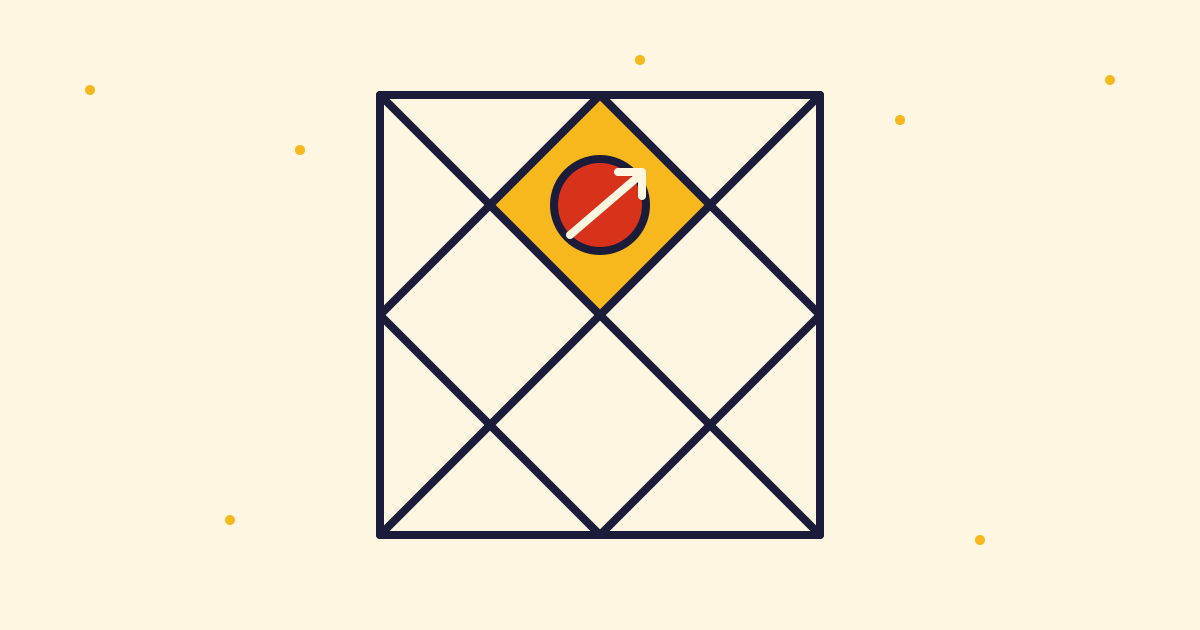
Manglik is one of the most feared words in Indian matchmaking. It is also one of the most misunderstood. Here is how it is worked out and what the traditions actually say.
What Manglik means
A chart is called Manglik (or to have Mangal Dosh) when Mars sits in certain houses of the birth chart. Mars is the planet of energy, drive and anger, and the idea is that in some houses it makes partnership more intense.
Which houses count
Most sources count Mars in the 1st, 4th, 7th, 8th and 12th houses from the Ascendant. Some also add the 2nd. Some traditions check from the Moon and from Venus too, which is why one chart can be called Manglik by one person and not by another.
How common is it?
If Mars falls in 5 of the 12 houses, then on paper roughly 4 in 10 charts are Manglik. That is not a rare condition. It is a very common one, which is a good reason to take it calmly.
How it is cancelled
Traditions list many cancellations, called Manglik Dosh Bhanga. Common ones include:
- Both partners are Manglik, so the two balance each other.
- Mars is in its own sign (Aries or Scorpio) or its exalted sign (Capricorn).
- Mars is joined or looked at by Jupiter.
- Mars sits in a sign ruled by a planet that is friendly to it.
- Some traditions say the effect fades with age, often given as 28.
What it is not
It is not a prediction that a marriage will fail, and it is not a reason to turn away someone you get along with. A good astrologer reads the whole chart: the 7th house, its lord, Venus, and the current dasha. Mars in one house is one line in a long page.
What people do when one partner is Manglik
- Check the chart for cancellations before worrying.
- Look at the whole match, including the Ashtakoot points.
- Talk openly about temper, patience and how each person handles disagreement. That is useful advice with or without a chart.
The honest summary: Manglik is a tendency toward intensity in partnership, shared by a large share of people, and it is balanced by many other things in a chart.